Stack Slide: each piece sliding up over the last
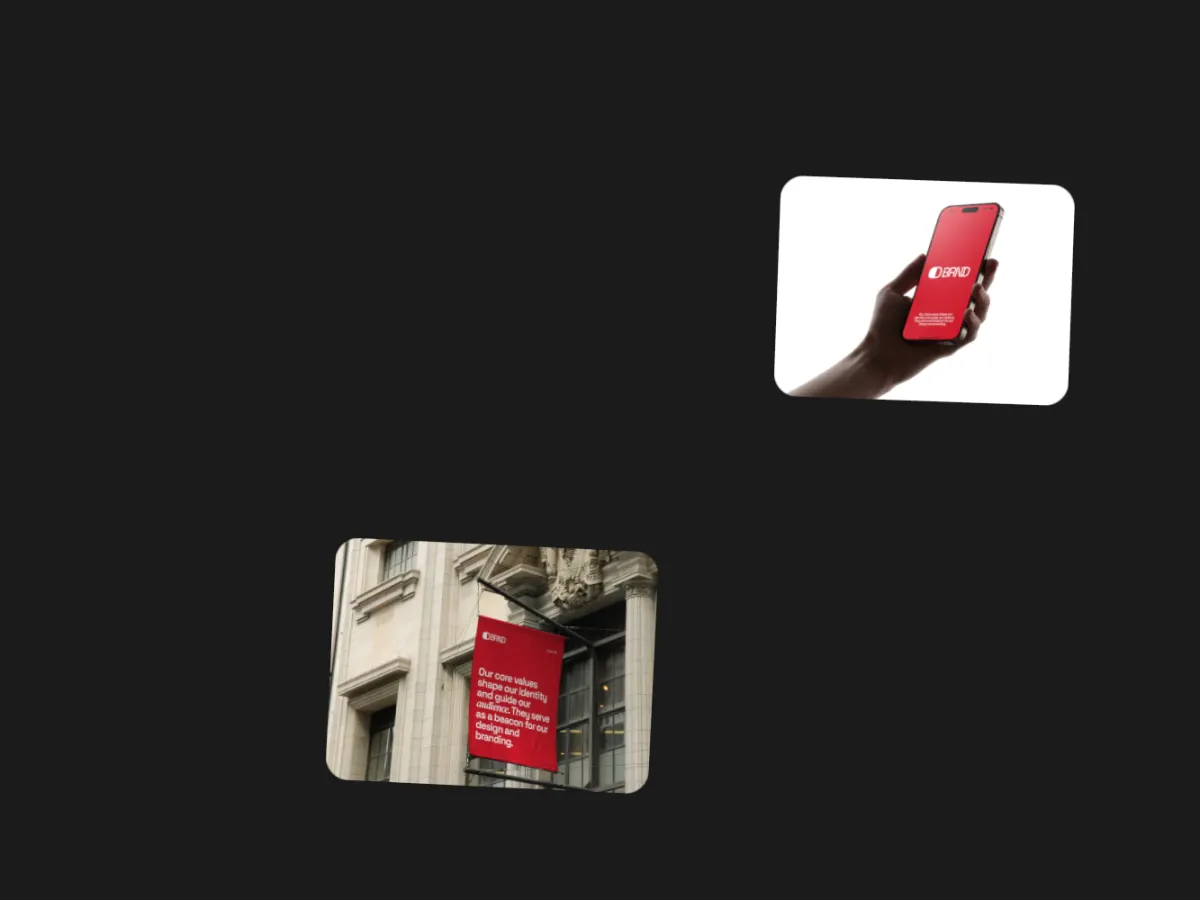
The next piece slides up over the current one, which sinks back and peeks out at the top.
Opens in the studio with sample work. Free at 720p.

How Stack Slide moves
Stack Slide fills the frame with one piece and slides the next one up over it, while the old one sinks back and peeks out at the top before it disappears. By default the card takes the frame's shape, so full screenshots and slides fit edge to edge. Four slots and an 8 second loop. A tidy fit for app screens and pitch slides, especially at 9:16.
In the studio you can tune its 5 settings along with the background, shadow and loop length, and your images never leave your device.
Stack Slide settings
Every setting below is in the studio panel for Stack Slide. Each one changes the loop live, so you can try values while it plays.
| Setting | Range | Starts at |
|---|---|---|
| Padding | 0% to 20% | 6% |
| Corner radius | 0% to 12% | 3% |
| Card inset | 0% to 15% | 4% |
| Depth scale | 0.85 to 1 | 0.95 |
| Easing | Custom, Smooth, Natural, Slow down, Snappy, Accelerate, Elastic, Bounce, Overshoot, Impulse, Swing, Linear | Smooth |
Make a Stack Slide video
- Step 1
Open the template
"Use this template" opens Stack Slide in the studio at 9:16, already playing with sample work.
- Step 2
Add your work
It starts with 4 spots for images or short videos. Empty spots repeat your images, so a few are enough.
- Step 3
Tune the motion
Change the 5 settings above, the loop length (8 seconds to start), background and shadow.
- Step 4
Export the loop
Download MP4 or WebM. 720p is free with a free account and no watermark; 1080p, 2K and 4K come with Pro.
Where Stack Slide works well
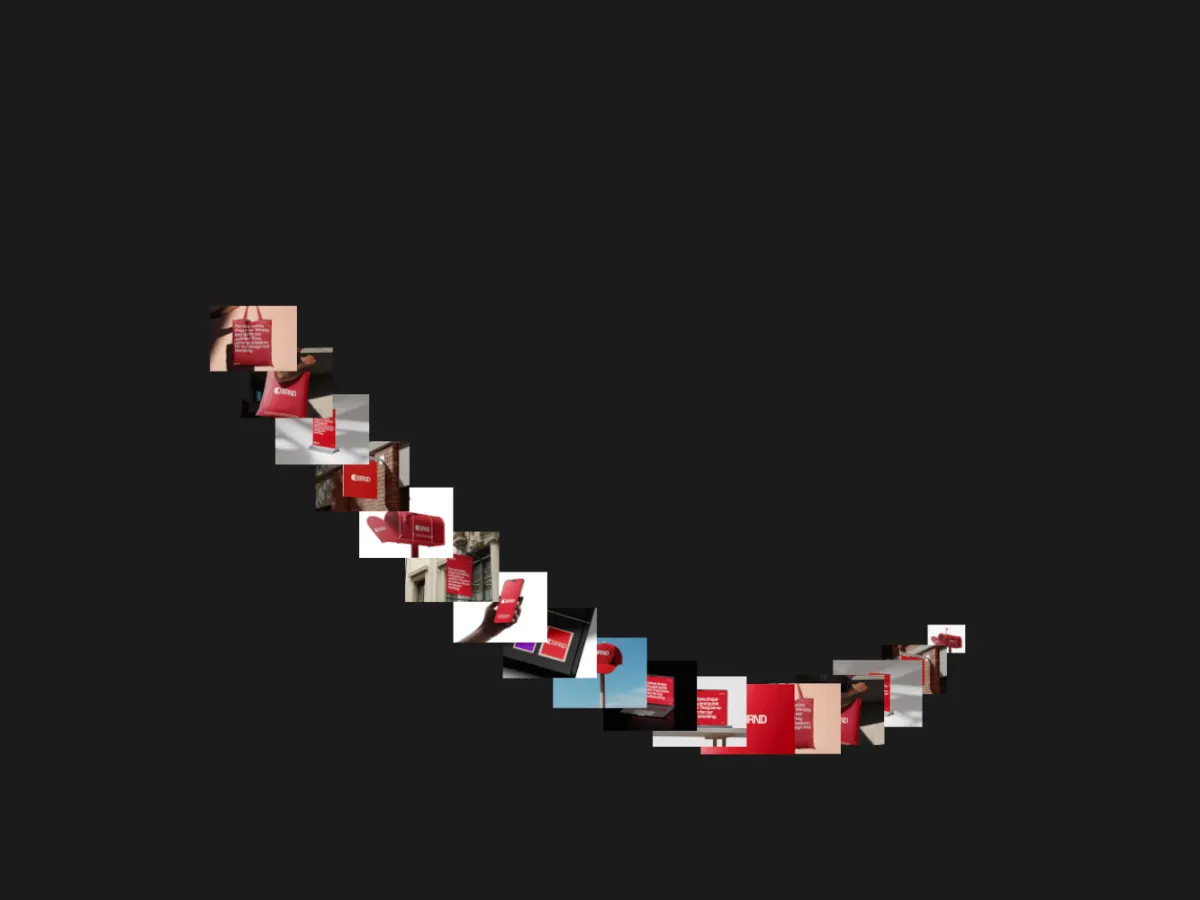
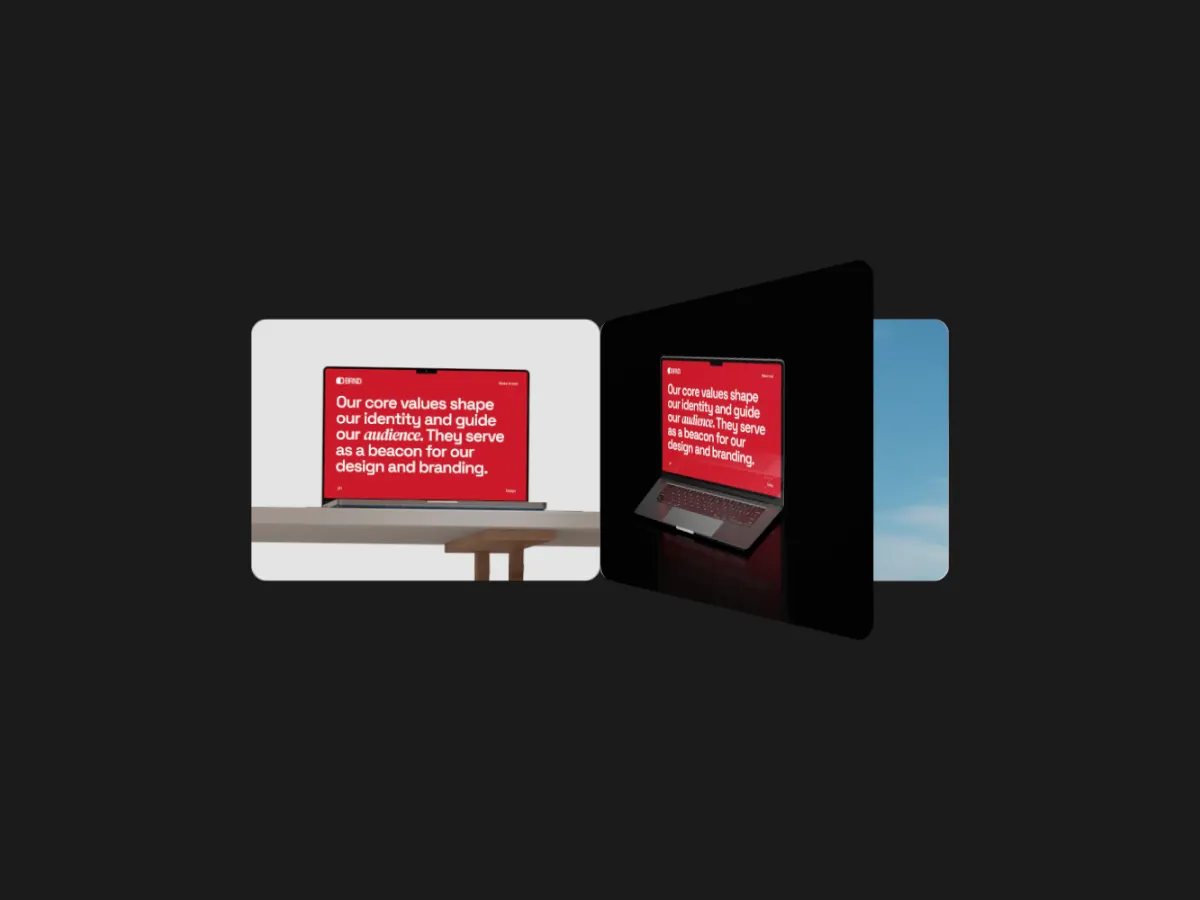
More Stack & Scatter templates




Other kinds of motion
- 3D & Perspective 13
- Multiscene 8
- Isometric 4
- Orbit 9
- Carousel & Flow 11
- Grid 9
- Spotlight & Focus 4
- Reveal & Wipe 4
- Stack & Scatter 8